Why Collagen is Vital for Women in Midlife: Collagen for Midlife Health
- Absolute MS

- Jul 13
- 4 min read
As we move through midlife, our bodies undergo many changes that can affect how we look and feel. One of the key players in maintaining youthful skin, flexible joints, and overall vitality is collagen. This essential protein supports the structure of our skin, bones, and connective tissues. Understanding why collagen is vital for women in midlife can empower us to take proactive steps toward healthy ageing.
Understanding Collagen and Its Role in Midlife Health
Collagen is the most abundant protein in the human body. It acts like a scaffold, providing strength and structure to skin, bones, muscles, tendons, and ligaments. In youth, collagen production is robust, keeping skin firm and joints flexible. However, after the age of 30, collagen synthesis naturally declines by about 1-2% per year. By midlife, this reduction becomes more noticeable, contributing to signs of ageing such as wrinkles, sagging skin, joint stiffness, and decreased mobility.
For women, hormonal changes during perimenopause and menopause can accelerate collagen loss. Estrogen, a hormone that supports collagen production, decreases significantly during this time. This decline can lead to thinner skin, reduced elasticity, and increased dryness. Additionally, joints may feel less resilient, and connective tissues can weaken, affecting overall comfort and movement.
Supporting collagen levels through nutrition and lifestyle is a practical way to maintain skin hydration, elasticity, and joint health. It’s not about quick fixes but about consistent care that supports the body’s natural processes.
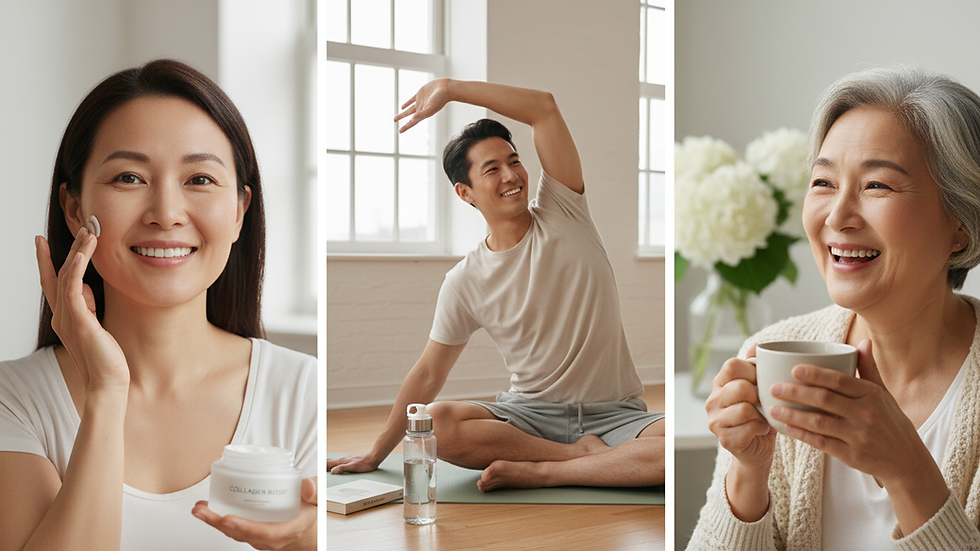
Collagen for Midlife Health: Benefits Beyond Skin Deep
Collagen’s benefits extend well beyond skin appearance. For women in midlife, maintaining collagen levels supports several key areas of health:
Skin Health: Collagen helps maintain skin’s firmness and elasticity. It supports hydration by strengthening the skin barrier, reducing dryness and fine lines.
Joint Support: Collagen is a major component of cartilage, the tissue that cushions joints. Adequate collagen helps maintain joint flexibility and reduces discomfort associated with ageing.
Bone Strength: Collagen forms the framework for bones. Supporting collagen production can contribute to bone density and reduce the risk of fractures.
Muscle Mass and Recovery: Collagen supports muscle tissue and connective structures, aiding in recovery and maintaining strength.
Gut Health: Collagen supports the lining of the digestive tract, which can improve nutrient absorption and overall gut function.
Incorporating collagen into a daily routine can be a simple, science-led approach to supporting these areas. It complements a balanced diet and healthy lifestyle, helping women feel more resilient and vibrant.
How to Support Collagen Naturally in Midlife
While collagen production declines naturally, there are effective ways to support and stimulate its synthesis:
Nutrition
Eating a diet rich in protein, vitamin C, zinc, and copper supports collagen production. Foods like citrus fruits, berries, leafy greens, nuts, seeds, and lean meats provide these nutrients. Bone broth is also a natural source of collagen.
Collagen Supplements
Hydrolysed collagen peptides are broken down into smaller units that the body can absorb easily. Regular supplementation has been shown in studies to improve skin elasticity, hydration, and joint comfort over time.
Sun Protection
UV exposure breaks down collagen fibers. Using sunscreen daily and avoiding excessive sun exposure helps preserve collagen integrity.
Healthy Lifestyle Habits
Avoid smoking and excessive alcohol, as these accelerate collagen degradation. Regular exercise promotes circulation and supports tissue health.
Skincare Routine
Using moisturizers and serums with ingredients like vitamin C and peptides can support collagen production in the skin.
Consistency is key. Collagen support is a long-term commitment that fits well into a daily wellness routine.

Practical Tips for Building a Collagen-Boosting Routine
Building a daily routine that supports collagen is straightforward and sustainable. Here are some actionable tips:
Start Your Day with Collagen: Add a collagen supplement to your morning beverage, such as coffee, tea, or a smoothie. This makes it easy to remember and integrate.
Eat a Rainbow of Fruits and Vegetables: Aim for at least five servings daily to provide antioxidants and vitamin C.
Stay Hydrated: Water supports skin hydration and overall tissue health.
Incorporate Weight-Bearing Exercise: Activities like walking, yoga, or resistance training help maintain bone and muscle health.
Protect Your Skin: Apply sunscreen every day, even when indoors, to prevent collagen breakdown.
Get Quality Sleep: Rest supports the body’s repair processes, including collagen synthesis.
By combining these habits, you create a holistic approach to midlife wellness that supports collagen naturally.
Encouraging Healthy Ageing with Confidence
Taking care of collagen levels is about supporting your body’s natural resilience. It’s not a magic cure but a foundation for healthy ageing that enhances skin, joints, and overall wellbeing. When you commit to a consistent routine, you empower yourself to age with confidence and grace.
If you want to explore more about how collagen can fit into your lifestyle, consider learning about women midlife wellness collagen options that are designed to support skin, joint, and connective tissue health from within. These supplements can be a convenient addition to your daily routine, helping you maintain hydration, elasticity, and mobility.
Remember, healthy ageing is a journey. Supporting collagen is one important step that contributes to feeling your best every day.
By understanding the vital role collagen plays in midlife health and adopting practical strategies to support it, you can nurture your body’s strength and beauty from the inside out. This approach helps you stay active, comfortable, and radiant as you embrace the years ahead.


Comments